January 29, 2026


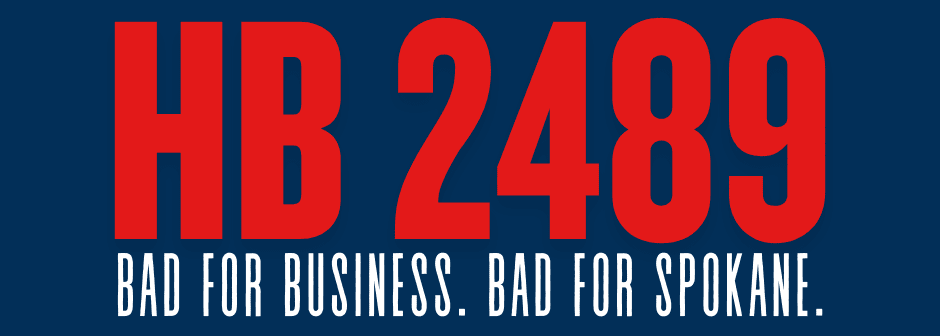
Spokane is seeing real progress on street-level addiction and public safety. House Bill 2489 threatens to undo that progress.


This update outlines the actions SBA is taking to oppose HB 2489, including media outreach, public education, and direct engagement with legislators. It reflects how SBA is defending local policies we helped create—policies that are restoring safety and addressing on-street homelessness and addiction with measurable results.


Today Gavin Cooley sat down with KHQ's Belle Lewis and talked about the recent history of homelessness in Spokane and the human cost and challenges posed for the business community. Tune in to KHQ at 6:00 pm.


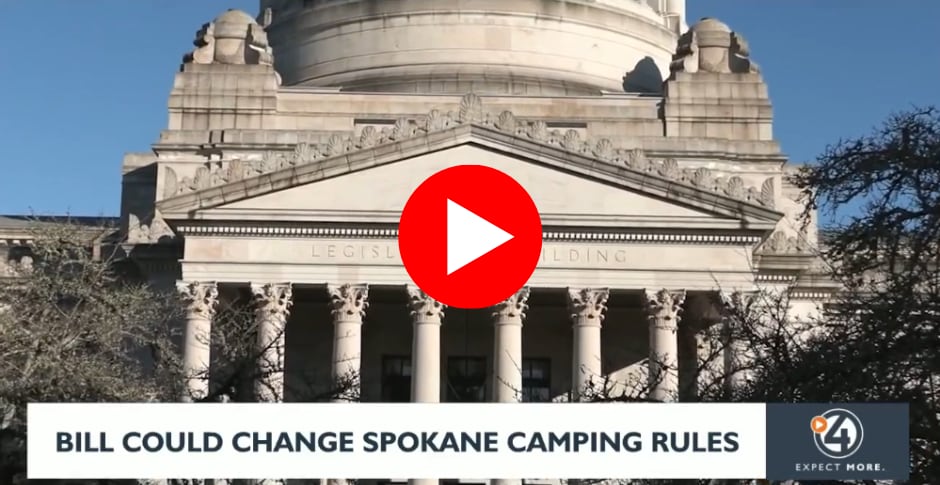
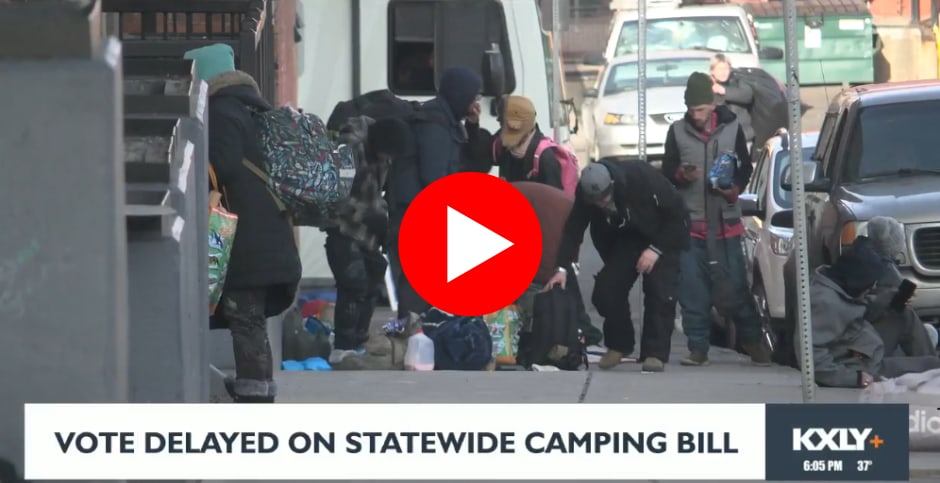
Watch for coverage in

The Spokesman Review  January 31, 2026

Editorial By:

Gavin Cooley, Spokane Business Association & Fawn Schott, CEO, Volunteers of America

Spokane has begun to make real progress in addressing the visible street-level impacts of addiction and homelessness. Conditions downtown and in surrounding neighborhoods are changing, and more people are being connected to services than before. That progress is strong but fragile. House Bill 2489 threatens to reverse it……


Excerpt from

The Spokesman Review January 27, 2026

On Friday, the Spokane Business Association said in a statement the bill would “force cities backward just as experience is pointing the other way” and urged residents to contact their legislators.


“You might need to build a fire, that could be a life-sustaining activity. You’re certainly going to need to go to the bathroom, that’s a life-sustaining activity,” Gavin Cooley, director of strategic initiatives at the Spokane Business Association, said in an interview Monday.


“So urinating, or defecating in the streets, or the sidewalks downtown, for instance, is a life-sustaining activity.”


Cooley said if the bill were passed, “there is nothing the police or enforcement could do to preclude that or interfere in that in any way.”


Why House Bill 2489 Takes Spokane Backward in the Age of Fentanyl

-- In the age of fentanyl, policies that delay intervention, even in the name of compassion, end up doing far more harm than good.


Proposed House Bill 2489 places a sharp limit on when cities can enforce basic public safety and public space laws related to homelessness, allowing intervention only if a narrowly defined, zero-barrier shelter option is available for each individual at the time and place of enforcement.


Supporters see this as compassion. In practice, the bill mandates inaction.


HB 2489 is built on an idea that once felt humane: remove barriers, wait patiently, and people will choose shelter and services on their own. That approach may have made sense in another era. In the age of fentanyl, it no longer does.


Synthetic opioids fundamentally change addiction by stripping away personal agency. Waiting for “readiness” too often means waiting for overdose or death.


Spokane has already learned this the hard way. Our earlier policies grounded in voluntary, low-barrier engagement failed to move people off the streets or into treatment, even as overdose deaths rose and suffering spread throughout our community. [consider this stark reality: among larger counties, Spokane's per capita overdose death rate has been the second highest in the nation.]


In response, Spokane deliberately changed course. In October 2025, the Mayor and City Council adopted the Safe and Accessible Spaces Ordinance, grounded in compassionate enforcement and paired with a shift away from large congregate shelters toward smaller, distributed shelter options integrated with navigation, stabilization, and treatment.


The goal of the new ordinance is not incarceration. The goal is timely intervention and connecting people to help before it's too late. Since then, fewer people are living and dying on the streets, and more individuals are entering services. The approach is working.


Spokane is not alone. Cities long associated with hands-off homelessness policies are moving away from the framework HB 2489 would lock Spokane into. San Francisco, Portland, and others have concluded that waiting, avoiding enforcement, and relying on voluntary engagement does not work in the fentanyl era. They are also successfully pivoting toward compassionate enforcement that moves people toward services -- that shift has been working.


HB 2489 would force cities backward just as experience is pointing the other way. By defining shelter so narrowly that almost no real-world option qualifies, the bill effectively prohibits intervention altogether.


Now is the time to act. HB 2489 would take away Spokane’s ability to respond to our real-world public safety and health crises just as progress is finally being made.


Legislators need to hear from those affected!

 
SBA Action Alert: STOP HB 2489
⚠️ URGENT ACTION REQUIRED — COMMITTEE VOTE TUESDAY ⚠️
SPOKANE
BUSINESS ASSOCIATION

STOP HB 2489

Protect Spokane's Progress on Compassionate Enforcement

Committee Vote Deadline

Tuesday, February 3, 2026, 4 PM

In the age of fentanyl, waiting is deadly.

In October 2025, Spokane changed course and began using compassionate enforcement to move people off sidewalks and out of danger, and toward shelter, treatment, and stabilization that save lives. The results were immediate and meaningful.

HB 2489 would turn that progress upside down by redefining "shelter" so narrowly that cities would be blocked from intervening at all unless a perfect, zero-barrier bed exists for every individual at that moment. That standard guarantees inaction, not care, and risks returning people to the streets just when Spokane has shown that compassionate intervention works.

What HB 2489 Would Do

Prohibit cities from enforcing camping bans unless they can prove "adequate alternative shelter" is available — a standard so strict that Redmond's Police Chief testified "no shelter system in Washington would actually meet these standards."

Allow lawsuits against cities that try to clear encampments, with attorney fee awards to plaintiffs.

You're not alone: The Association of Washington Cities and WA State Association of Sheriffs & Police Chiefs have formally opposed this bill.

What Can I Do?

1 Email Legislators

Committee members will vote Tuesday. A flood of emails from Spokane business owners before then can influence their decision. Personal emails are most effective — tell them how this bill would affect YOUR business.

⚠️ Two Spokane Legislators Are Sponsoring This Bill

Representatives Timm Ormsby and Natasha Hill — both from Spokane's District 3 — are co-sponsors of HB 2489. They need to hear directly from Spokane business owners about how this bill would undermine our city's progress.

Email ALL Housing Committee Members at once:

2 Submit Official Comment on HB 2489

Your comment becomes part of the official legislative record. All legislators can see it. Takes just 2 minutes.

  1. Click the button below — it takes you directly to the comment form
  2. Select "CON" for your position
  3. Write a brief comment (2-3 sentences is fine)
  4. Enter your contact info and submit
📝 SUBMIT COMMENT ON HB 2489

If the direct link doesn't work, go to the bill page and click "Comment on this bill" on the right side.

3 Stay Informed & Take Action

Visit the Spokane Business Association website to stay up to date on this and other issues affecting our business community.

Questions? Need Help?
Contact Gavin Cooley, Director of Strategic Initiatives
gavin@spokanebusinessassociation.com
509-995-3376
Spokane Business Association

Spokane Business Association

You received this email because you are a member of the Spokane Business Association.

Unsubscribe | Update Preferences


www.SpokaneBusinessAssociation.com

This email was sent on behalf of Spokane Business Association located at PO Box 4132, Spokane, WA 99220. To unsubscribe click here. If you have questions or comments concerning this email contact Spokane Business Association at Sherri@SpokaneBusinessAssociation.com